
Early Signs of Oral Cancer Every Patient Should Know
Blog:Early Signs of Oral Cancer Every Patient Should Know
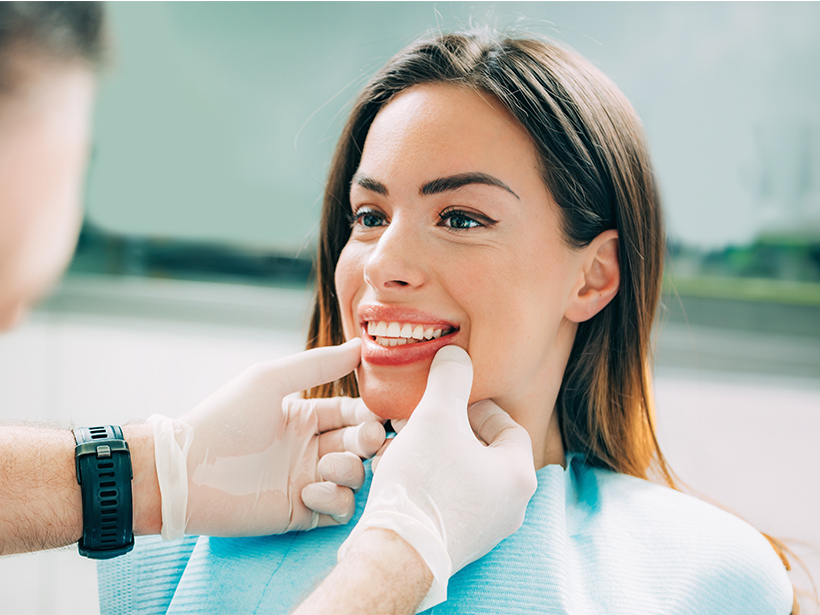
Changes in your mouth may seem minor at first, but some symptoms should not be ignored. Oral cancer can develop in several areas of the mouth and often begins with subtle warning signs. Recognizing these early signs can help you seek care promptly and protect your long-term oral and overall health.
At Yap Family Dental in Anaheim, Dr. Andrew Yap includes oral cancer screenings as part of routine dental exams to help identify concerns as early as possible.
Persistent Sores That Do Not Heal
One of the most common early signs of oral cancer is a sore that does not heal within two weeks.
What to Look For
Ulcers or raw areas that linger
Sores that repeatedly reopen
Areas that may bleed or feel irritated
Even if the sore is not painful, it should be evaluated if it persists.
Red or White Patches in the Mouth
Unusual patches inside the mouth can be early indicators of abnormal tissue changes.
Common Locations
Tongue
Inner cheeks
Gums
Floor or roof of the mouth
Why They Matter
Red (erythroplakia) or white (leukoplakia) patches are often painless, which can lead patients to overlook them. Any patch that does not resolve should be examined.
Changes in How Your Mouth Feels
Oral cancer symptoms may present as unusual sensations before visible changes appear.
Possible Symptoms
Persistent tenderness or discomfort
Numbness in the lips or tongue
Pain when chewing or swallowing
Sensation of something stuck in the throat
If these symptoms last more than two weeks, they should be addressed.
Lumps, Thickened Tissue, or Swelling
Any abnormal growth or thickened area in the mouth or jaw should be evaluated.
Areas to Monitor
Inside the cheeks
Along the jawline
Neck or lymph node areas
These changes do not always indicate cancer, but early evaluation is essential.
Other Symptoms to Watch For
Some warning signs are subtle but still important to recognize.
Additional Indicators
Persistent bad breath without a clear cause
Loose teeth not related to gum disease
Difficulty moving the tongue or jaw
Changes in speech or voice
Ongoing ear pain without an ear condition
The Importance of Early Detection
Oral cancer is significantly more treatable when detected early. Routine dental visits allow for early identification of changes that patients may not notice on their own.
Schedule an Oral Cancer Screening in Anaheim, CA
If you have a sore, patch, lump, or unusual symptom that has lasted more than two weeks, it is important to schedule an evaluation.
Yap Family Dental provides comprehensive dental exams in a modern, comfortable Anaheim office conveniently located near the 5 and 91 freeways.
Call (714) 828-6684
Schedule online at andrewyapdds.com
Frequently Asked Questions About Oral Cancer
What are the earliest signs of oral cancer?
The earliest signs often include non-healing sores, red or white patches, and persistent discomfort in the mouth or throat.
How long should a mouth sore last before I get it checked?
Any sore that lasts longer than 10 to 14 days should be evaluated by a dental professional.
Are oral cancer symptoms always painful?
No. Many early signs, such as patches or small lesions, are painless.
Where does oral cancer usually develop?
Oral cancer can occur on the tongue, gums, cheeks, lips, floor of the mouth, and throat.
Who is at higher risk for oral cancer?
Risk factors include tobacco use, heavy alcohol consumption, HPV infection, and prolonged sun exposure to the lips.
Can a dentist detect oral cancer early?
Yes. Dentists are trained to identify early tissue changes during routine exams.
What happens during an oral cancer screening?
The dentist performs a visual and physical examination of the mouth, throat, jaw, and surrounding tissues.
Is oral cancer screening painful?
No. Screenings are quick, non-invasive, and painless.
How often should I get screened for oral cancer?
Most patients are screened during routine dental visits, typically every six months.
Can oral cancer be treated successfully?
When detected early, oral cancer has significantly better treatment outcomes and survival rates.
Helpful Articles
article_category: products
article_category: psychiatry
article_category: faqs
article_category: cats
article_category: general
article_category: services
article_category: technology
article_category: dogs
article_category: restorative
article_category: vision therapy
article_category: contact lenses
article_category: health
article_category: conditions
article_category: eye surgery co-management
article_category: exotic
article_category: cosmetic
article_category: surgical procedures
article_category: aesthetics
article_category: preventative
article_category: ocular disease management
article_category: eyeglasses
article_category: eye health
article_category: large animal
[]
article_category: psychiatry
article_category: faqs
article_category: cats
article_category: general
article_category: services
article_category: technology
article_category: dogs
article_category: restorative
article_category: vision therapy
article_category: contact lenses
article_category: health
article_category: conditions
article_category: eye surgery co-management
article_category: exotic
article_category: cosmetic
article_category: surgical procedures
article_category: aesthetics
article_category: preventative
article_category: ocular disease management
article_category: eyeglasses
article_category: eye health
article_category: large animal
[]
Flowbite is an open-source library of interactive components built on top of Tailwind CSS including buttons, dropdowns, modals, navbars, and more.
Check out this guide to learn how to get started and start developing websites even faster with components on top of Tailwind CSS.
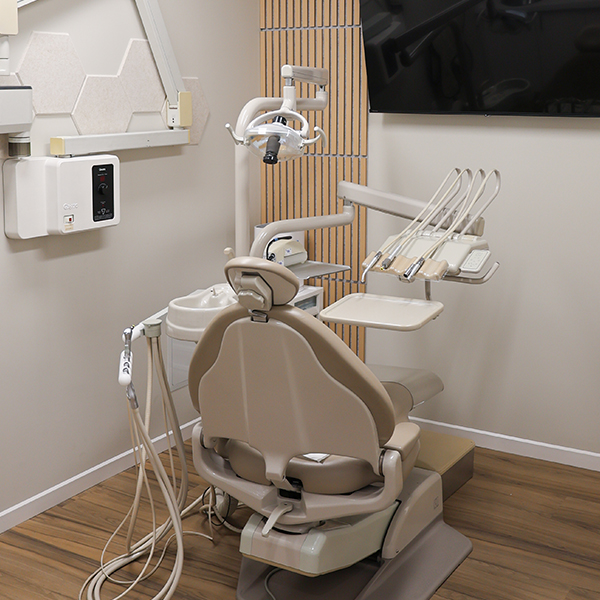
All Dental Services
We offer a wide variety of dental services to the Anaheim community. Contact us with any questions about our services.
Keep In Touch
For non-urgent questions or to learn more about our services, contact us today!

Hours of Operation
- Monday 7:30am - 4:30pm
- Tuesday 8:30am - 5:30pm
- Wednesday Closed
- Thursday 7:30am - 4:30pm
- Friday 7:30am - 4:30pm
- Saturday One each month
- Sunday Closed
© 2026 Yap Family Dental | All rights Reserved | Accessibility Statement | Privacy Policy | Sitemap
Managed and Designed by
